Bagasse, the fibrous residue left after sugarcane juice extraction, is emerging as a sustainable solution for various industries. This renewable resource not only supports eco-friendly practices but also offers a multitude of practical applications, making it a viable alternative to traditional materials.
Key Takeaways
- Bagasse is a byproduct of sugarcane processing, rich in cellulose and renewable.
- Sustainability: Grows quickly, reduces deforestation, and supports eco-friendly manufacturing.
- Applications: Used in cutlery, food packaging, straws, and compostable bags.
- Environmental Benefits: Biodegradable, low carbon footprint, and cost-effective.
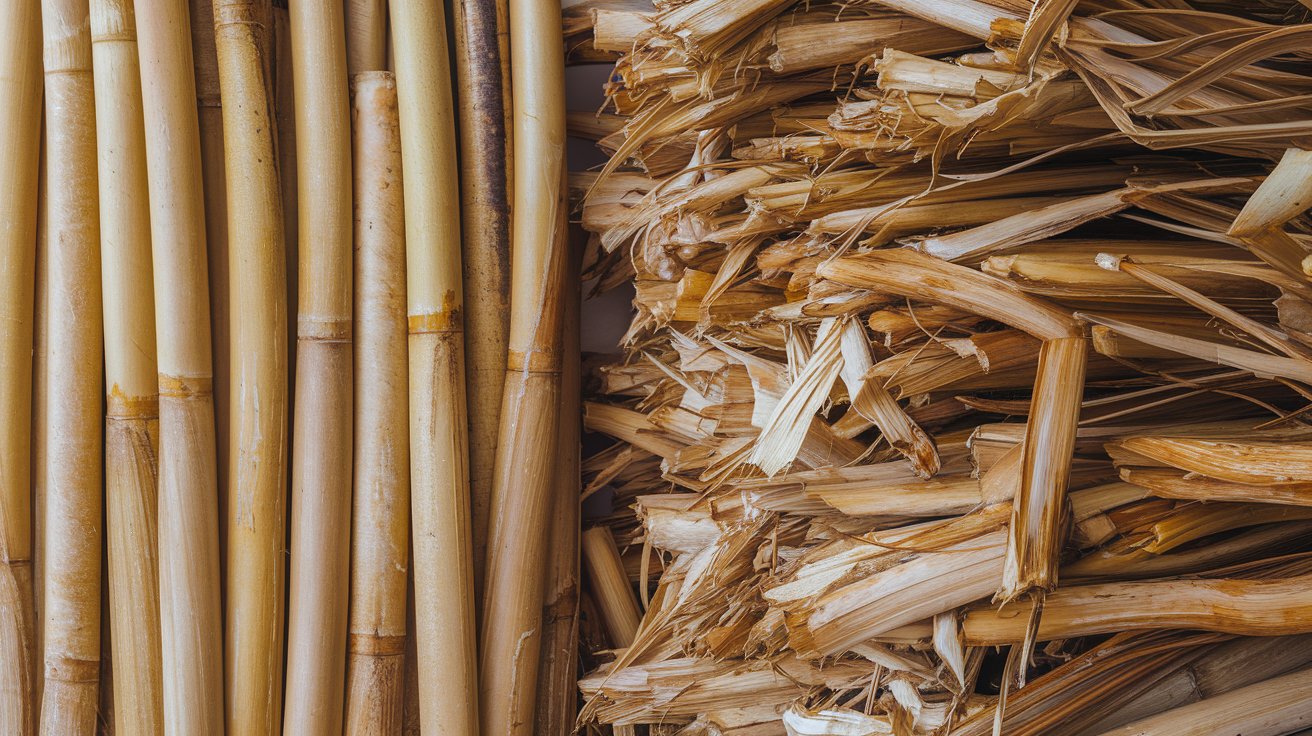
Image from
Ideogram
Bagasse, also known as sugarcane pulp, is the fibrous residue left after extracting juice from sugarcane stalks. This byproduct consists primarily of cellulose, hemicellulose, and lignin, making it a valuable renewable resource. Instead of being discarded, bagasse is increasingly utilized in various applications, including the production of paper products and as a sustainable fuel source.
Unlike traditional wood fibers, bagasse can be harvested within six months, supporting environmentally friendly practices by minimizing deforestation and the need for additional land. Its high cellulose content gives it a texture similar to cardboard or paper, making it an excellent alternative for eco-conscious manufacturing.
Bagasse is produced through a straightforward process following the harvest of sugarcane. Once the sugarcane is harvested, the juice is extracted, leaving behind the fibrous residue known as bagasse. This leftover material, which retains about 50% moisture, is then sun-dried to reduce its water content.
After drying, the bagasse is mixed with water to create a pulp. Additives are incorporated into this pulp, which is then shaped under high pressure and temperature to form a variety of products, including eco-friendly food packaging.
The final result is a strong, microwavable, and compostable product that leverages renewable resources, demonstrating bagasse's versatility in sustainable manufacturing.
Bagasse, the fibrous byproduct of sugarcane processing, is gaining popularity as a sustainable alternative to conventional materials. It offers practical advantages across industries while minimizing environmental impact. Here’s a look at the key benefits that make bagasse a valuable resource in today’s shift toward eco-friendly solutions.
Bagasse comes from sugarcane, a crop that can be harvested annually. Its steady availability reduces the need for timber, helping combat deforestation and ensuring a sustainable supply without exhausting natural resources.
Bagasse products decompose naturally within 30 to 90 days under composting conditions, enriching the soil without leaving harmful residues. This supports a circular economy by returning nutrients to the earth, unlike traditional plastics that persist for centuries.
As an agricultural byproduct, bagasse generates far fewer greenhouse gas emissions than fossil-based plastics. Its production minimizes the need for oil extraction and other resource-intensive processes, contributing to sustainability efforts.
The consistent supply of sugarcane ensures that bagasse is both abundant and affordable, reducing concerns about material shortages. This makes it a viable, cost-effective option for manufacturers seeking sustainable materials.
Bagasse can be molded into food packaging, disposable tableware, and cutlery, providing a sustainable replacement for single-use plastics. Products like plates, bowls, and straws made from bagasse offer durability without the environmental drawbacks of conventional disposables.
Businesses that adopt bagasse products demonstrate a commitment to sustainability, appealing to environmentally conscious consumers. This not only aligns with the growing demand for green products but also strengthens brand image in an increasingly eco-aware marketplace.
Bagasse offers a compelling combination of sustainability, practicality, and cost-efficiency, making it a smart choice for businesses and consumers looking to reduce their environmental impact.
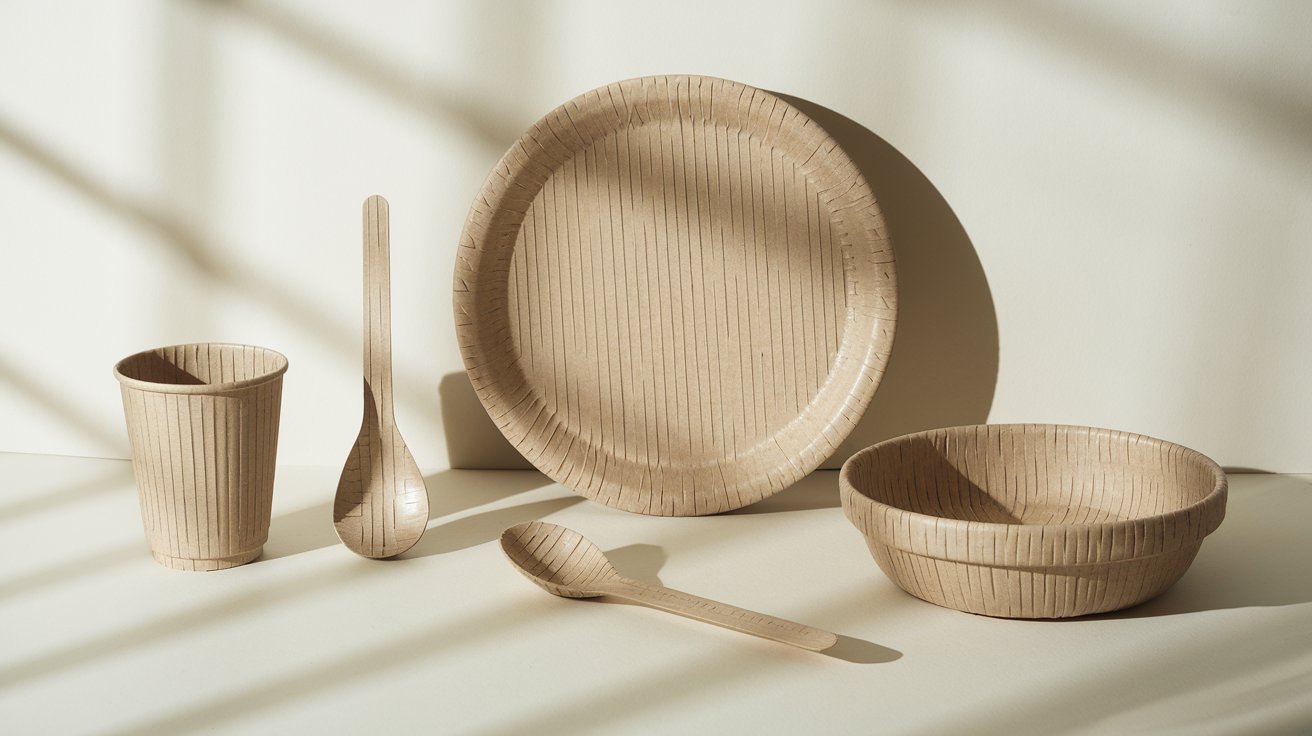
Image from
Ideogram
Bagasse is an excellent choice for food packaging and cutlery due to its eco-friendly, biodegradable, and compostable properties.
Unlike traditional plastics, bagasse decomposes naturally in home composting environments within months, enriching the soil without leaving harmful residues. This plant-based material is not only sustainable—being harvested from sugarcane, which grows quickly and requires less time than trees—but also versatile, as it can withstand hot and cold temperatures.
Bagasse products are water-resistant and can handle greasy foods, making them ideal for various culinary applications. By replacing plastic with bagasse in everyday dining items, we promote green consumerism and help reduce waste and greenhouse gas emissions, fostering a more sustainable future.
When comparing bagasse and paper products, the key difference lies in their sources and sustainability. Bagasse is derived from the fibrous byproduct of sugarcane processing, while traditional paper is made from wood, which necessitates deforestation. Bagasse can be produced quickly, taking only six months to grow, whereas trees require 7 to 10 years to reach maturity. Furthermore, the production of bagasse requires significantly less water and does not involve the plastic lamination needed for paper to make it water and oil-resistant. This makes bagasse not only more eco-friendly but also a more sustainable choice for food packaging and cutlery.
| Feature |
Bagasse |
Paper |
| Source |
A byproduct of sugarcane processing |
Wood from trees |
| Growth Time |
6 months |
7-10 years |
| Sustainability |
Rapidly renewable, no deforestation required |
Involves deforestation and biodiversity loss |
| Water Consumption |
Low water usage in production |
High water consumption during production |
| Oil and Water Resistance |
Naturally resistant, no plastic lamination needed |
Requires plastic lamination for resistance |
| Composting |
Fully compostable |
Limited compostability due to lamination |
| Resource Efficiency |
1.5 tonnes of sugarcane produce 1 tonne of bagasse |
5 tonnes of wood produces 1 tonne of paper |
Bagasse is increasingly recognized for its diverse applications, especially in eco-friendly alternatives to conventional materials. Here are some notable uses:
- Bagasse Straws: These straws offer a sustainable substitute for single-use plastic straws. They resist high temperatures, do not become soft or odorous, and are suitable for home composting, making them both convenient and environmentally friendly.
- Disposable Cutlery: Bagasse is used to create sturdy disposable cutlery that can also be washed and reused. This option not only reduces waste but also provides consumers with a reliable alternative to plastic utensils.
- Reusable Cups: Bagasse cups are designed for repeated use and can handle both hot and cold beverages. With a lifespan of up to 18 months, these cups are a practical choice for eco-conscious consumers.
- Compostable Bags: Made from bagasse, these bags are an excellent alternative to plastic bags. They can decompose in composting conditions, reducing waste and promoting sustainable practices in everyday life.
Each of these applications showcases bagasse's versatility and its potential to replace environmentally harmful materials while meeting consumer needs.
Bagasse is biodegradable, compostable, and a sustainable alternative to plastic, helping to reduce waste and environmental impact.
Yes, bagasse products can be composted and typically decompose within 30 to 90 days, enriching the soil without harmful residues.
Bagasse is water-resistant, can withstand high temperatures, and is suitable for both hot and cold food applications.
Bagasse supports a circular economy by being biodegradable and compostable, returning nutrients to the soil and reducing reliance on fossil fuels.
Sugarcane can be harvested for bagasse production in approximately six months, making it a rapidly renewable resource.
Bagasse is emerging as a sustainable powerhouse in the quest for eco-friendly materials. As a byproduct of sugarcane processing, it offers numerous benefits, including rapid renewability, biodegradability, and versatility in applications ranging from food packaging to disposable tableware. By choosing bagasse products, individuals and businesses can significantly reduce their environmental footprint and promote a greener future.
In line with these sustainable practices, Luzhou Pack offers a range of biodegradable cutlery that serves as a perfect alternative to traditional plastic utensils. Made from 100% compostable materials, their cutlery supports the transition toward a more sustainable lifestyle. Discover the eco-friendly options available and join the movement toward sustainable dining by
visiting Luzhou Pack's biodegradable cutlery collection.


