Biodegradable cutlery represents a revolutionary step towards sustainable dining, crafted from eco-friendly materials that decompose naturally. By choosing biodegradable options over traditional plastic, consumers and businesses alike can significantly reduce their environmental impact while supporting a cleaner planet.
Key Takeaways
- Environmental Benefits: Reduces pollution, protects marine life, and lowers greenhouse gas emissions.
- Health Safety: Made from non-toxic materials, avoiding harmful chemicals like BPA.
- Economic Advantages: Long-term savings for businesses and enhanced brand reputation.
- Common Materials: Includes PLA, bamboo, and bagasse, each offering unique eco-friendly properties.
- Emerging Trends: Technological innovations and increasing consumer awareness drive the adoption of biodegradable cutlery.
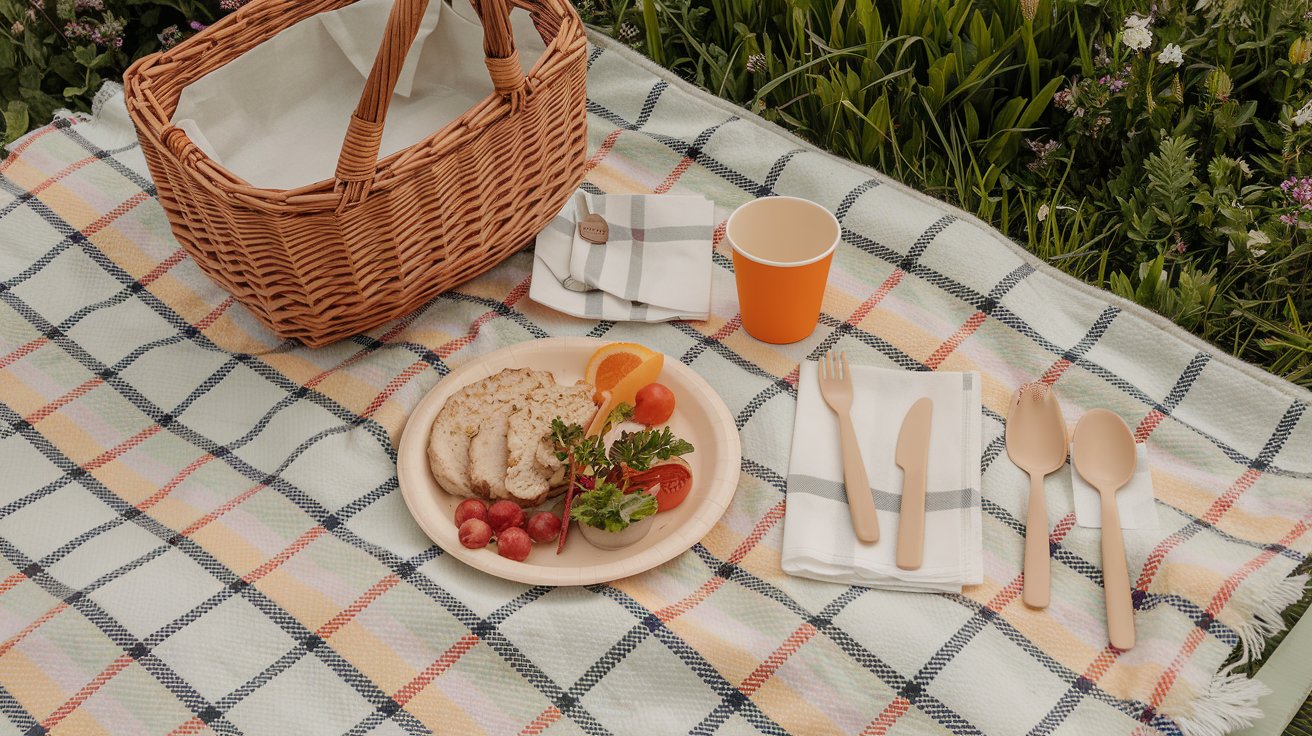
Image from
Ideogram
Biodegradable cutlery refers to eating utensils made from natural, eco-friendly materials that decompose over time with the help of bacteria and microorganisms. Unlike traditional plastic cutlery, biodegradable options break down into organic matter, leaving no harmful waste behind. Commonly made from plant-based sources like wood, these utensils not only reduce landfill waste but can also enrich the soil in the process, offering a sustainable solution for disposable tableware.
Choosing biodegradable cutlery instead of traditional plastic utensils offers numerous environmental, economic, and health advantages while aligning with the growing shift toward sustainable practices. Here’s why making the switch is a smart choice for both the planet and future generations:
Biodegradable cutlery naturally decomposes over time, unlike plastic utensils that can persist in landfills and ecosystems for centuries. This eco-friendly breakdown helps reduce environmental pollution and minimizes harm to marine life, preventing animals from ingesting or becoming entangled in plastic waste.
The production and disposal of biodegradable utensils generate fewer greenhouse gas emissions compared to plastic, which relies on petrifaction fuels. These eco-friendly alternatives are often made from renewable materials like wood, bamboo, or cornstarch, decreasing the need for non-renewable resources such as oil and natural gas.
Made from natural, non-toxic materials, biodegradable cutlery eliminates the risk of harmful chemicals, like BPA, leaching into food—even when exposed to heat. This also helps mitigate the threat of microplastics entering the food chain, giving consumers peace of mind when using these sustainable products.
Switching to biodegradable cutlery reduces landfill costs and helps businesses avoid fines associated with plastic waste regulations. Furthermore, adopting eco-friendly practices improves brand reputation, attracts environmentally conscious customers, and offers a competitive edge in the market.
Choosing biodegradable cutlery not only supports environmental sustainability but also promotes health safety and economic advantages for businesses, making it a compelling alternative to traditional plastic options.
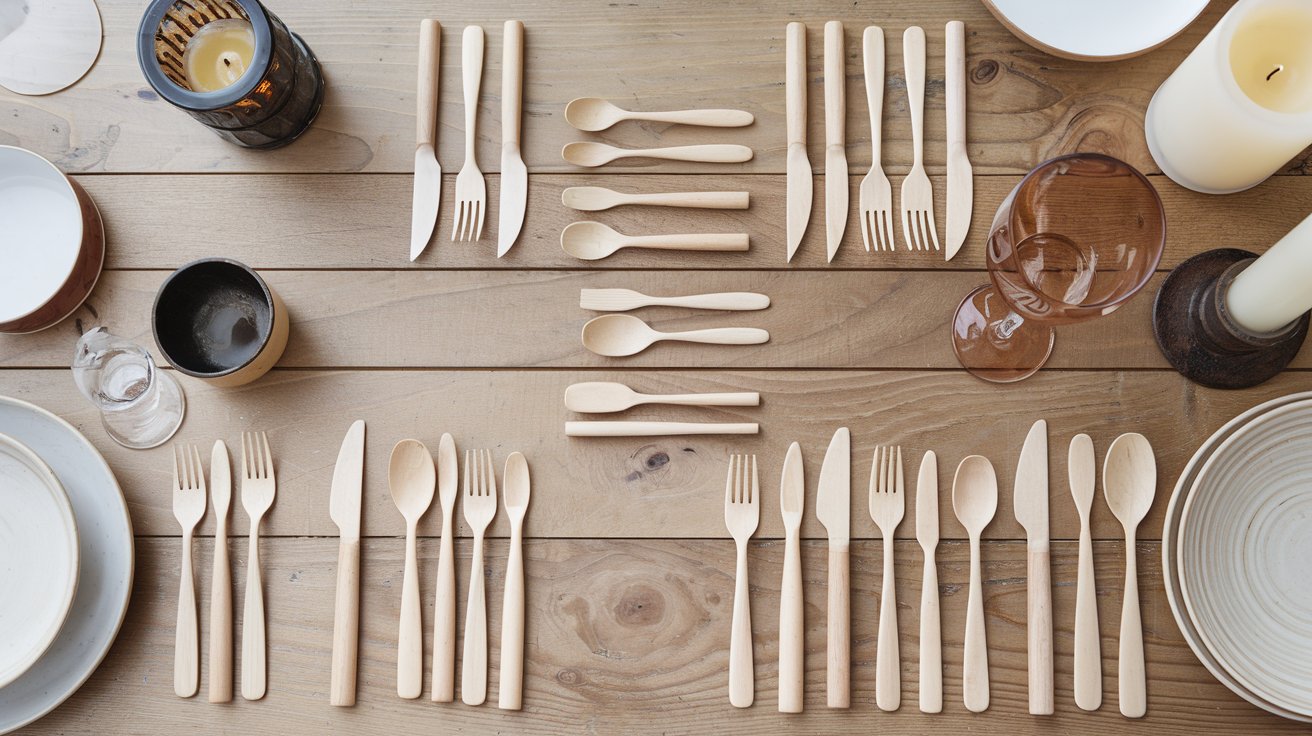
Image from
Ideogram
Regarding disposable cutlery, biodegradable materials offer an eco-friendly alternative to traditional plastics. These materials are designed to break down naturally, minimizing environmental impact while still providing durability and functionality. Below are some of the most common biodegradable materials used in disposable cutlery, each with unique benefits.
PLA is a biodegradable plastic made from fermented plant starches like corn, sugarcane, or tapioca. Its similarity to traditional plastic in appearance and durability makes it a popular option for disposable cutlery. Though it can handle a variety of foods, it is compostable only in industrial facilities where high heat and humidity can break it down.
CPLA is a heat-resistant form of PLA designed to withstand higher temperatures without warping. Like PLA, it is biodegradable and compostable, but its added durability makes it ideal for hot foods.
Bamboo is a fast-growing, sustainable material often used in eco-friendly cutlery. Known for its strength and natural aesthetic, bamboo is entirely biodegradable and doesn't affect food taste, making it a versatile and durable choice.
Wooden cutlery, typically made from birch or poplar, offers a rustic appeal with strong, heat-resistant properties. It is fully biodegradable and compostable, making it an excellent choice for a sturdy, natural alternative.
Edible cutlery is made from ingredients like rice or wheat flour and can be consumed after use. This unique zero-waste option has grown in popularity as an eco-friendly solution, offering both functionality and sustainability.
Bagasse, derived from sugarcane pulp, is a sturdy and compostable material perfect for disposable cutlery. It can handle both hot and cold foods and decomposes much faster than traditional plastics, making it highly eco-friendly.
Corn starch cutlery is made from the starch of corn, offering a biodegradable and compostable solution for single-use utensils. It naturally breaks down, reducing environmental impact while providing a sustainable option for disposable tableware.
When it comes to choosing between biodegradable and plastic cutlery, the differences are striking. Plastic cutlery, made from petroleum-based materials, can take up to 1,000 years to decompose, significantly contributing to landfill waste and marine pollution. In contrast, biodegradable cutlery, made from plant-based materials like bamboo and cornstarch, breaks down in as little as 90 days under the right conditions.
Not only does biodegradable cutlery decompose faster, but it also has a smaller environmental footprint. Its production uses renewable resources and produces fewer carbon emissions compared to plastic cutlery, which relies on non-renewable petrifaction fuels. Despite plastic's reputation for durability, modern biodegradable options can withstand high temperatures and perform just as well, making them an eco-friendly and practical alternative.
| Feature |
Biodegradable Cutlery |
Plastic Cutlery |
| Decomposition Time |
90 days (under ideal conditions) |
Up to 1,000 years |
| Environmental Impact |
Low: Made from renewable resources, compostable |
High: Contributes to landfill waste and marine pollution |
| Production |
Uses plant-based materials (cornstarch, bamboo, etc.) |
Made from petrifaction fuels (petroleum-based) |
| Durability and Function |
Durable, can withstand high temperatures |
Durable but not biodegradable |
| Health & Safety |
Non-toxic, free from harmful chemicals |
May release toxins when burned |
The manufacturing process of biodegradable cutlery is a testament to sustainable innovation. It begins with carefully selecting renewable raw materials, such as bamboo, wood, and sugarcane bagasse. These materials are harvested sustainably to minimize environmental impact. Once collected, the raw materials undergo processing, where they are cut, shaped, and smoothed into the forms of forks, spoons, and knives.
For plant-based plastics like PLA, the process includes polymerization, followed by molding into the desired cutlery shapes. After shaping, the utensils are polished, dried, and packaged, ensuring compliance with food safety regulations to guarantee their safety for consumer use. This meticulous process not only results in eco-friendly alternatives to traditional plastic utensils but also supports a more sustainable future.
Biodegradable cutlery offers a sustainable alternative for various occasions, from casual picnics to formal events. Its versatility makes it suitable for any gathering, providing both functionality and style while minimizing waste.
After use, proper disposal is key to maximizing its environmental benefits. Ideally, biodegradable utensils should be composted rather than thrown in the trash. They can easily be added to home compost bins or taken to commercial composting facilities, decomposing into nutrient-rich soil in just a few months.
This approach not only reduces landfill waste but also promotes healthier soil without relying on chemical fertilizers. By adopting these best practices, users can enhance their commitment to sustainability while enjoying the convenience of disposable cutlery.
The biodegradable cutlery market is witnessing several emerging trends highlighting its promising future. Here are the key trends driving this shift towards sustainable alternatives:
Advancements in materials science have led to the development of biodegradable cutlery from eco-friendly sources such as bamboo, wood, and sugarcane bagasse. These innovations enhance durability and usability while reducing environmental impact.
As more brands enter the market, biodegradable cutlery has become increasingly accessible. Competitive pricing makes it a popular choice among consumers and businesses, encouraging wider adoption.
Stricter regulations on single-use plastics are emerging worldwide. Many governments are promoting biodegradable options through policies that support sustainable practices, compelling businesses and individuals to switch to eco-friendly utensils.
Rising environmental consciousness among consumers is driving demand for biodegradable cutlery. People increasingly seek sustainable options to minimize their ecological footprint, making eco-friendly cutlery an attractive choice.
The expansion of composting facilities is facilitating the effective disposal of biodegradable cutlery. Enhanced composting options ensure that these utensils break down efficiently, further promoting their environmental benefits.
These trends collectively signal a shift towards more sustainable dining practices, making biodegradable cutlery an essential component of a greener future.
Biodegradable cutlery is a vital component in the movement towards a more sustainable future, offering numerous environmental, health, and economic benefits over traditional plastic options. By reducing pollution, protecting marine life, and utilizing renewable resources, biodegradable utensils help pave the way for a cleaner planet. For those seeking an eco-friendly choice, Luzhou Pack’s biodegradable bagasse cutlery stands out as a durable and compostable option that meets the demands of both consumers and businesses.
Explore
Luzhou Pack’s collection of 100% compostable cutlery to make a sustainable choice for your dining needs and contribute to a greener tomorrow.


